Where Darkness Speaks and Light Listens

Today we explore Light Phases and Negative Space Photography, learning how dawn, noon, and twilight shape edges, tones, and silence. Through practical tips, stories from the field, and mindful exercises, you will discover how absence becomes presence, how highlights breathe, and how shadows carry emotion worth remembering and sharing.

Rhythms of the Day

Light changes not only brightness but also intention, gently redrawing compositions hour by hour. Understanding how the sun’s height, atmospheric haze, and cloud cover sculpt contrast lets you choreograph space deliberately, transforming empty backgrounds into eloquent pauses that guide attention, calm pacing, and deepen meaning.

Golden hour edges

When the sun skims low, backlight feathers outlines and warms midtones, perfect for isolating simple subjects against generous sky. I once waited beside a quiet pier as gulls circled; one sail crossed, and the surrounding glow became the story, not the boat.

Blue hour whispers

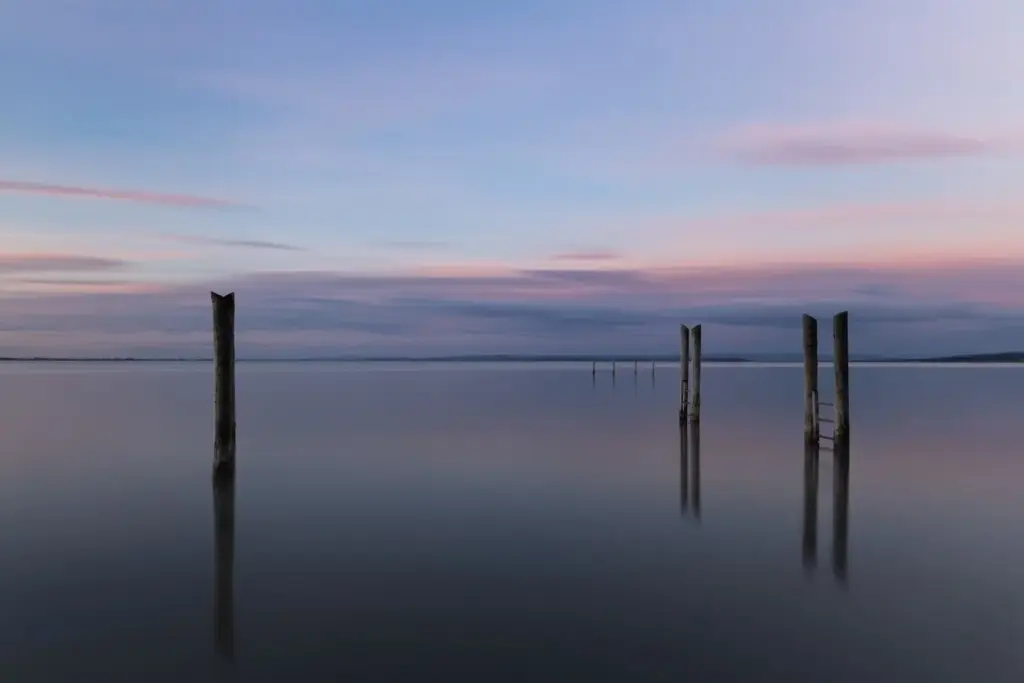
After sunset, scattered wavelengths cool surfaces while city lamps and reflected pier lights bloom. Long exposures smooth water and stretch clouds, letting negative space thicken like velvet. Minimal silhouettes feel contemplative, inviting viewers to linger and finish the sentence with their own breath.

Harsh noon, bold shapes

Direct overhead light slashes shadows into crisp geometry, a gift for graphic minimalism. Embrace clipped blacks within reason, reduce elements, and let angular voids speak. A single staircase on white concrete can echo louder than a crowded plaza or complicated skyline.

Subject isolation

Place a small figure, branch, or kite against expansive sky, water, or wall, then nudge position until the surrounding calm feels balanced. The solitude becomes narrative oxygen, making subtle gestures, winds, and glances register like dialogue in a hushed theater.

Balance and breathing room

Use thirds or central symmetry as starting scaffolds, then refine by feel. Let margins expand until the frame’s silence catalyzes emotion. If in doubt, step back, widen, and listen; often the photograph begins speaking when you remove one more element.

Tension without clutter

Minimalism need not be dull. Introduce directional lines, opposing colors, or a watchful gaze that disrupts serenity slightly. That gentle friction energizes the emptiness, making the image linger in memory because the calm carries a heartbeat, steady yet undeniably present.

Measuring Light with Intent

Precision matters when highlights kiss the edge of exposure and shadows cradle your story. Meter deliberately, expose for preservation or silhouette, and let the histogram become conversation rather than alarm. Mastery here protects nuance, enabling daring compositions with trustworthy tonal scaffolding.

Expose to protect highlights

When backlight pools around your subject, bias exposure slightly low to keep detail in luminous edges. Deep blacks can support minimal frames powerfully. Later, lift midtones gently, preserving a quiet roll-off that feels natural, respectful, and faithful to the breathing light.

Spot meter with purpose

Use spot metering on a bright rim or reflective plane, then lock exposure to prevent drift while recomposing. This protects intent when subject placement changes against vast skies or walls, keeping your emptiness glowing rather than collapsing into flat, indifferent grayness.

Read the histogram musically

Imagine tones as notes across a staff. Clipped highlights scream; empty shadows hum. Train your eye to interpret the chart rhythmically, ensuring the brightest notes still carry detail while the quietest passages deepen gracefully, supporting negative space like soft percussion.

Tools That Honor Restraint

Gear should amplify vision, not distract from it. Choose optics, supports, and filters that simplify decisions and enhance consistency across changing light. By building a kit that encourages patience and clarity, you free yourself to watch, wait, and respond deliberately.

Primes for discipline

A 35mm or 50mm prime promotes thoughtful framing and confident walking, turning space into a creative partner. Fixed focal lengths reduce choices and heighten awareness of edges, gaps, and breathing room, keeping images coherent when the day’s light pivots unpredictably around you.

Tripod, shutter, and stillness

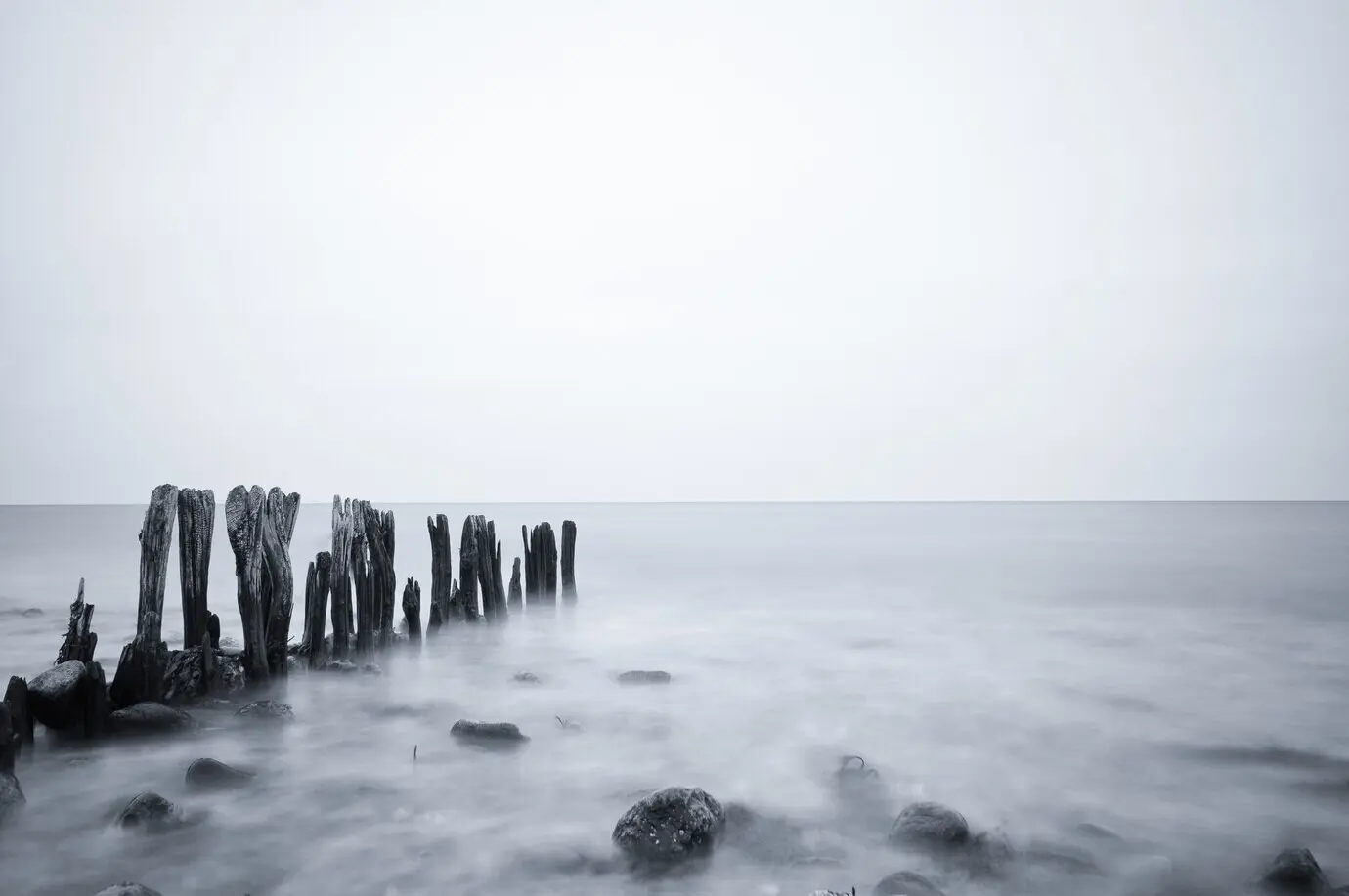
A sturdy tripod and remote release let exposures stretch without tremor, reinforcing serenity. Slower shutters welcome motion where you want it—water, clouds, traffic—while preserving a poised subject and generous emptiness, the contrast that communicates calm urgency without raising its voice unnecessarily.

Filters that sculpt tone

Neutral-density and graduated filters regulate brightness relationships, keeping skies graceful and midtones malleable. A circular polarizer can clarify reflections, simplifying chaos into legible shapes. Minimal scenes thrive when tonal transitions feel intentional, like a conductor guiding instruments toward an elegant, unforced crescendo.

Editing That Preserves Silence

Post-processing should extend field decisions, not overwrite them. Work gently, respecting fragile gradients and the emotional utility of shadow. Subtle contrast, targeted dodging, and careful color nuance can amplify spaciousness, helping your photographs breathe with the same patience that birthed them.

Dodge with intention

Lift only where the eye should land first, perhaps a cheekbone, railing, or sail. Every brightening invites responsibility; excess light erases suspense. Shape attention like a whispered cue, reinforcing narrative flow without flattening the negative space holding everything together.

Color as emotional temperature

Calibrate warmth or coolness to echo intent. A cooler palette through blue hour supports solitude; subtle warmth at dawn signals renewal. Reserve saturation; quieter hues respect empty areas, preventing them from shouting and allowing the smallest subject gesture to resonate deeply.

Crop for clarity

Resist the urge to include everything you witnessed. Choose aspect ratios that strengthen quiet, such as panoramic horizontals for sky-led stories or tall frames for vertical solitude. Each removal sharpens voice, ensuring remaining elements collaborate rather than compete awkwardly.

Narratives Between Light and Pause

Stories live where timing, scale, and atmosphere align. With patience, you can place a lone traveler within vastness, letting the interplay of brightness and hush imply longing, courage, or relief. Sequence images across hours to show transformation without dialogue or ornament.

Walk with limits

Choose one focal length, twenty frames, and a single hour. Commit to breathing, spacing, and patient alignment. Afterwards, note which photographs succeeded because of space rather than detail. Post your favorite and describe the one edit that preserved its quiet.

Study a master

Spend an evening with Fan Ho, Michael Kenna, or Hiroshi Sugimoto. Analyze how they wield light, emptiness, and time. Recreate one setup locally, adapting to your landscape. Share comparisons, reflections, and questions; we will feature thoughtful notes in upcoming digests.
Xarilumamiralorozera
Privacy Overview

This website uses cookies so that we can provide you with the best user experience possible. Cookie information is stored in your browser and performs functions such as recognising you when you return to our website and helping our team to understand which sections of the website you find most interesting and useful.