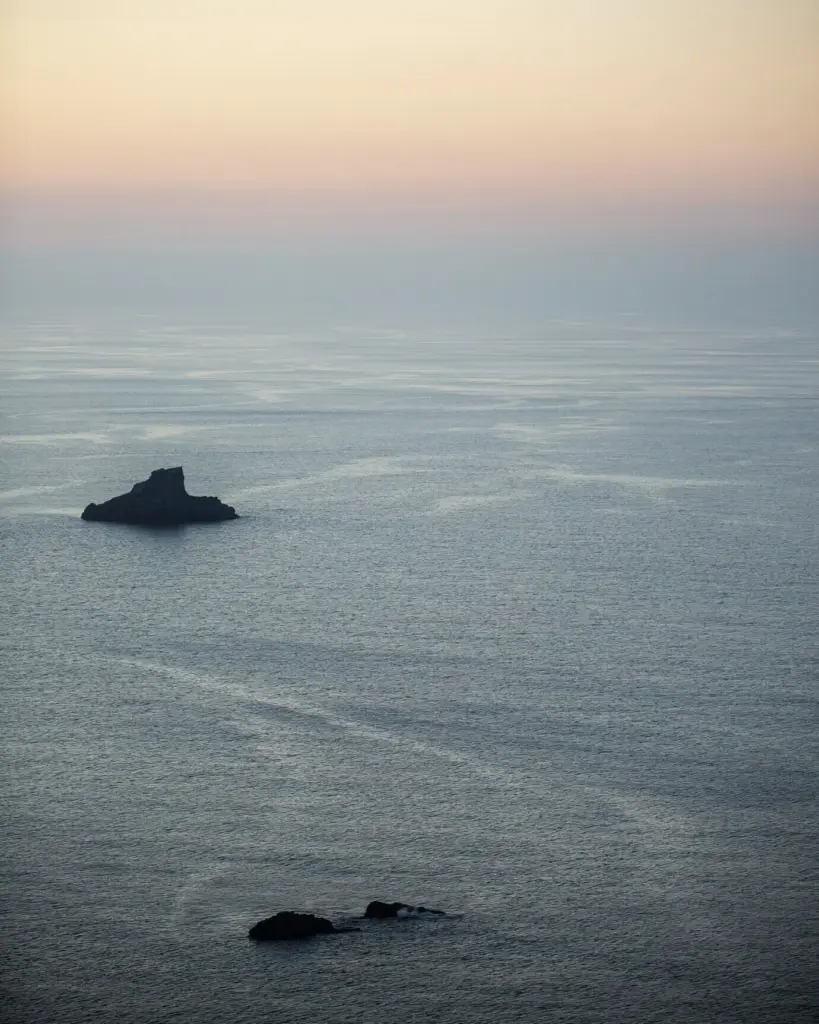
Sculpting Negative Space with Long Exposures by the Sea

Step onto the shoreline as we explore Long-Exposure Minimal Seascapes: Motion Blur to Sculpt Negative Space, transforming restless oceans into calm fields of tone and shape. Together we’ll master exposure, composition, and patience, turning single elements into meditative anchors. Expect real stories, practical checklists, and creative prompts, plus gentle nudges to share your experiments, ask questions, and subscribe for future deep dives into seaborne calm.

Groundwork for Calm: Gear, Settings, and Intent

Minimal seascapes reward clarity of purpose and reliable tools. We begin by aligning vision, technique, and equipment so each frame favors quiet, graphic simplicity. From sturdy tripods and neutral‑density glass to exposure strategies that smooth turbulence without erasing detail, you’ll learn what matters, what can wait, and what to leave at home. Use this foundation to reduce variables, work deliberately, and shape emptiness with intention.

The Dependable Kit

Choose a rigid tripod, a cable or wireless release, and weather-sealed lenses you trust. Add 6‑ and 10‑stop ND filters, a circular polarizer used sparingly, microfiber cloths, and a viewfinder cover. Simplicity strengthens focus; fewer parts mean fewer surprises in rising spray and shifting wind.

Exposure Architecture

Lock ISO low, begin around f/8–f/11, and lengthen shutter speeds methodically: thirty seconds, one minute, two, then four. Use Bulb with a remote, cover stray light paths, disable image stabilization on tripod, and bracket a safety frame. Let intentional tests guide a repeatable, calm rhythm.

Reading Water, Wind, and Light

Tides, Swell, and Safety First

Consult reliable tide tables and swell reports, then build buffers for rising water and sneaker waves. Waterproof boots and common sense matter more than bravado. Position bags high, keep straps tidy, and never face the shore only through a viewfinder. A respectful workflow keeps creative risks calculated.

Clouds and Wind Direction

Consult reliable tide tables and swell reports, then build buffers for rising water and sneaker waves. Waterproof boots and common sense matter more than bravado. Position bags high, keep straps tidy, and never face the shore only through a viewfinder. A respectful workflow keeps creative risks calculated.

Natural Light, Color, and Timing

Consult reliable tide tables and swell reports, then build buffers for rising water and sneaker waves. Waterproof boots and common sense matter more than bravado. Position bags high, keep straps tidy, and never face the shore only through a viewfinder. A respectful workflow keeps creative risks calculated.

Carving Emptiness with Motion

Motion blur is not merely technical; it is sculpture. Longer shutters simplify texture, merge chaos, and reveal underlying forms that static moments hide. By tuning exposure to wave period and cloud speed, you decide which marks remain and which dissolve. This control produces tranquil negative space that feels intentional, not vacant, and invites viewers to rest their gaze where meaning quietly accumulates.

Timing to the Sea’s Pulse

Study the rhythm between sets, then start just after a breaker collapses to allow smooth drawdown lines. Thirty to sixty seconds retain subtle streaks; two to four minutes erase most texture. Match intent to timing so the water’s voice whispers rather than shouts through your finished frame.

Choosing and Stacking ND

A 3‑stop filter tempers bright overcast; 6‑stop fits soft light; 10‑ or 15‑stop unlocks multi‑minute serenity. When stacking, guard against vignetting and color shifts with high‑quality glass. Shade the lens during exposure, and calibrate times using test shots, not guesswork or conflicting online charts.

Managing Tonal Range

Ocean horizons and sunlit clouds can clip quickly. Use graduated filters with restraint, lean on ETTR without sacrificing highlights, and consider two exposures for difficult scenes. In processing, dodge and burn subtly to reveal structure, maintaining luminous simplicity rather than HDR excess that undermines calm intentions.

One Anchor, Infinite Space

Minimalism thrives on courage: choosing one subject and giving it room to breathe. Whether it’s a solitary groyne, a lighthouse, or a stubborn basalt tooth, the story deepens when distractions fade. Lines, balance, and proportion become characters, and silence turns from emptiness into eloquent presence that lingers.

Field Rhythm and Hard‑Won Lessons

Color Grading with Purpose

Cooler blues and subtle teals can emphasize breathable distance; warm notes can cradle an anchor against pale sky. Keep saturation modest, aim for believable transitions, and use HSL or masks surgically. When colors distract, convert to monochrome and let form, tone, and pacing carry the conversation.

Guarding Against Banding and Noise

Work in 16‑bit where possible, add a trace of grain to disguise delicate gradients, and avoid heavy clarity in blank areas. Mask sharpening from sky and water, and let luminance noise reduction breathe. Export carefully so compression doesn’t carve steps into otherwise pristine, meditative tonal ramps.
Xarilumamiralorozera
Privacy Overview

This website uses cookies so that we can provide you with the best user experience possible. Cookie information is stored in your browser and performs functions such as recognising you when you return to our website and helping our team to understand which sections of the website you find most interesting and useful.