
Light, Shadow, and the Art of Elegant Restraint

Today we explore High-Key vs Low-Key Minimalism: Creating Emptiness with Exposure, revealing how bright clarity and enveloping darkness each invite breath, pause, and focus. We will translate intention into camera decisions, lighting, composition, and post-production, sharing field-tested techniques, tender anecdotes, and practical exercises that help you craft photographs where space speaks, silence resonates, and minimal details carry powerful emotional weight.

Where Radiance Meets Quiet Darkness

Minimalism in photographs is not the absence of content but a deliberate orchestration of attention. Bright expanses whisper in one voice, while deep shadows murmur in another, and both ask the viewer to fill the quiet. By understanding how luminous scenes emphasize tenderness and how restrained darkness intensifies intimacy, you can guide hearts and eyes with intention, crafting experiences that linger long after the screen fades.

Designing Negative Space With Light

Light does more than reveal objects; it draws perimeters around silence. Soft, generous sources expand breathing room, while focused, feathered beams carve solemn pockets of rest. By shaping backgrounds through distance and falloff, and by balancing reflection with absorption, you gently persuade the scene to say less and mean more. The result is emptiness that comforts rather than alienates.

Settings That Keep Silence Intact

Technical choices should protect mood, preserving delicate highlights and articulate shadows while keeping noise gentle and detail intentional. Mindful ISO and shutter pairings prevent flicker in minimal scenes, and flexible RAW files offer room to refine subtleties. Stabilization, bracketing, and exposure previews help you refine without rushing, ensuring your final frame feels inevitably right instead of hurriedly adequate.

Composing Silence: Lines, Shapes, Breathing Room

Composition in restrained images is choreography for the eye. Negative space becomes a dancer, leading, pausing, and yielding. Curves offer grace, diagonals add urgency, and verticals promise calm. By treating edges like boundaries for attention, you create invitations instead of commands. Viewers linger, tracing gentle paths, discovering how a single gesture can be enough to anchor a memory.

One Subject, One Gesture

Choose a solitary focus and let a single gesture carry the scene: a wrist turning a page, a stem leaning toward light, a shoe paused mid-step. Remove chorus members crowding the stage. Silence supports that movement, while exposure direction clarifies its feeling. The result is generosity of attention, where small motion becomes an unforgettable line of poetry for the eyes.

Edges, Crops, and the Courage to Leave Blankness

Commit to clean margins. Crop boldly to excise clutter, and allow open margins to breathe rather than anxiously filling every corner. Think like a curator hanging in a quiet gallery, honoring the distance around each piece. This humility of framing turns absence into structure, making emptiness supportive architecture instead of a gap desperately begging for decoration or apologetic detail.

From RAW to Resonance
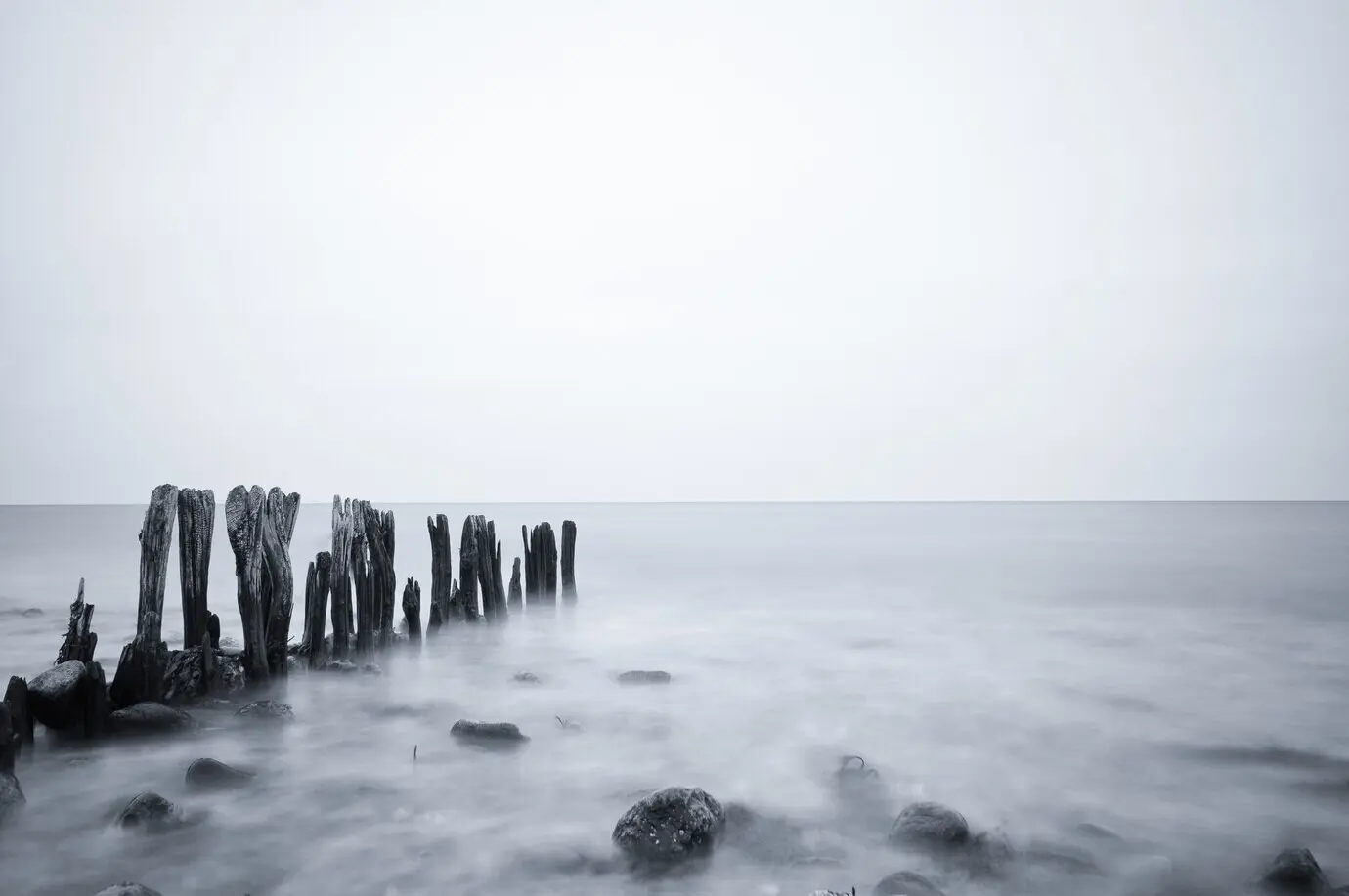
Processing should honor your original feeling. Gentle curves, local contrast restraint, and soft color calibration prevent brittleness in high brightness and clogged heaviness in low light. Dodging and burning can breathe dimension into almost-empty frames. When exporting, anticipate viewing environments, adjusting microcontrast so images remain articulate on phones yet soulful on prints, never drifting into harsh glare or lifeless flatness.

Emotion, Audience, and a Practice That Endures

Writing Captions That Leave Space

Use captions like gentle guides, not roadblocks. Offer a tactile detail, a temperature, or a brief memory, then invite interpretation. Replace declarative certainty with open questions. This trust lets viewers project themselves into the quiet you crafted, making the photograph feel shared rather than shown, a conversation in whispers instead of a monologue delivered through a gleaming megaphone.

Small Assignments to Train Your Eye

Use captions like gentle guides, not roadblocks. Offer a tactile detail, a temperature, or a brief memory, then invite interpretation. Replace declarative certainty with open questions. This trust lets viewers project themselves into the quiet you crafted, making the photograph feel shared rather than shown, a conversation in whispers instead of a monologue delivered through a gleaming megaphone.

Building a Series People Remember

Use captions like gentle guides, not roadblocks. Offer a tactile detail, a temperature, or a brief memory, then invite interpretation. Replace declarative certainty with open questions. This trust lets viewers project themselves into the quiet you crafted, making the photograph feel shared rather than shown, a conversation in whispers instead of a monologue delivered through a gleaming megaphone.

Xarilumamiralorozera
Privacy Overview

This website uses cookies so that we can provide you with the best user experience possible. Cookie information is stored in your browser and performs functions such as recognising you when you return to our website and helping our team to understand which sections of the website you find most interesting and useful.